Pro SWPPP – America’s #1 SWPPP Service helps construction crews around the country stay compliant and out of trouble. If you’re breaking ground in Travis County, Texas, you’re probably wondering what paperwork you need and whether you can skip the headaches. The truth is simple: mess up stormwater rules and you’ll pay fines that can hit $25,000 per day. That’s real money vanishing because you didn’t file the right forms or install a silt fence correctly.
Let’s cut through the confusion. Travis County sits right in the heart of Texas, and the rules blend state law with local extras. You need to know what triggers a Storm Water Pollution Prevention Plan (SWPPP), when to file a Notice of Intent (NOI), and how Travis County adds its own twists. This guide walks you through every requirement so you can start digging without worrying about inspectors showing up with clipboards and angry faces.
What Triggers a SWPPP in Travis County?
The baseline is straightforward. The Texas Commission on Environmental Quality (TCEQ) runs the show under the Clean Water Act. If your construction project disturbs one acre or more, or if it’s part of a larger common plan of development that adds up to one acre, you need a SWPPP. That’s the TCEQ Construction General Permit TXR150000, which got updated in March 2023 with tougher rules on inspections and documentation.
Travis County doesn’t stop at the state minimum. Local rules kick in for smaller sites in sensitive areas, sometimes as low as 0.25 acres. If you’re near a creek, wetland, or protected zone, assume you need to file. The county also requires you to upload your SWPPP summary and TCEQ authorization through MyGovernmentOnline before you pull a building permit. That’s a digital portal, not a paper shuffle, so get your PDFs ready.
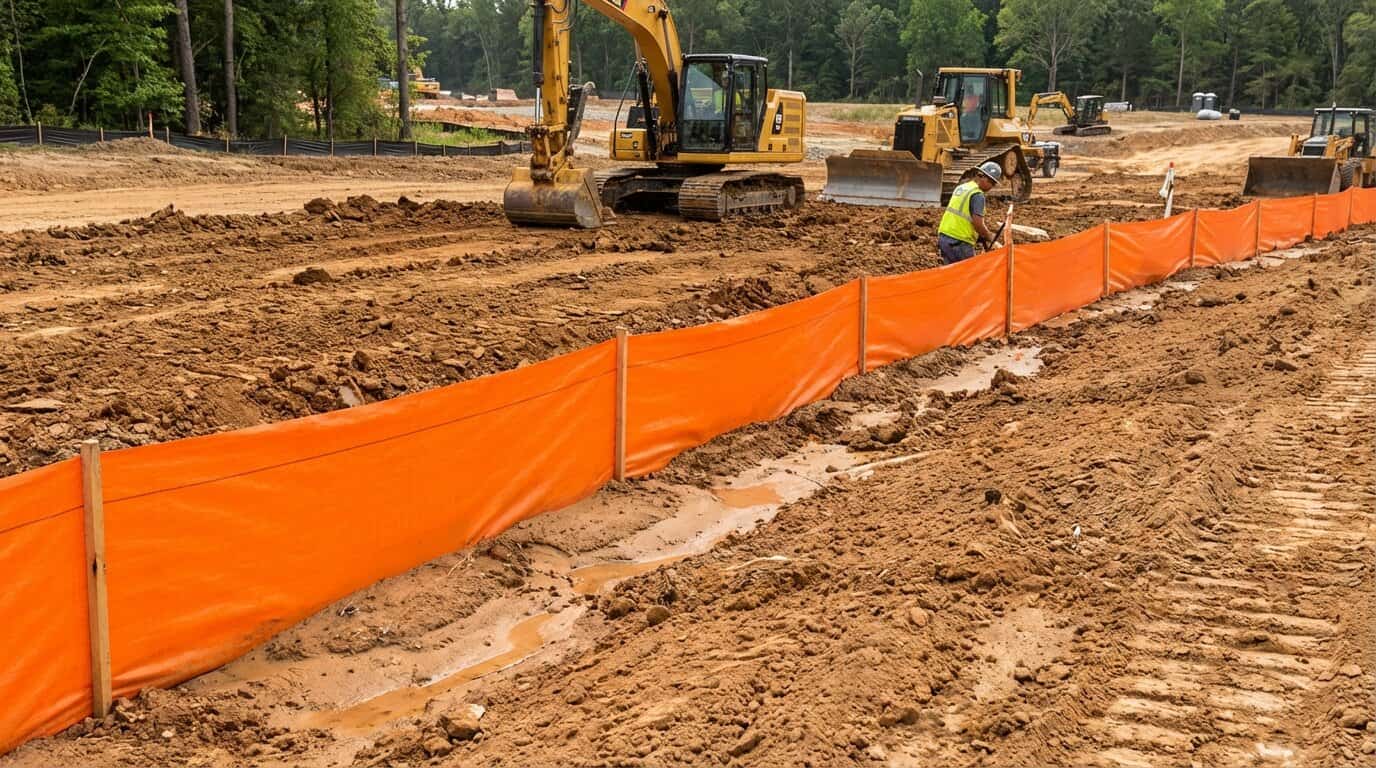
Here’s the kicker: even if your site is under one acre, you might still need a SWPPP if it’s part of a phased project. Let’s say you’re building a subdivision with five half-acre lots. Each lot by itself is below the threshold, but together they form a common plan exceeding one acre. That means every phase needs coverage. People miss this all the time and get slapped with violations.
Filing Your Notice of Intent (NOI)
Once you know you need a SWPPP, the next step is filing an NOI with TCEQ. The NOI tells the state you’re starting a project and that you’ll follow pollution prevention rules. You file it through the STEERS system online, and you must do it before you move any dirt. No exceptions. Some folks think they can wait until after they start grading, but that’s a ticket to fines.
For sites smaller than five acres, you file a Small Site Notice instead of a full NOI. It’s a simpler form, but it still requires your SWPPP to be ready and on-site. Larger projects need the full NOI, which asks for details like your operator information, site coordinates, estimated acreage, and the receiving waters where runoff will flow. Travis County cross-checks your NOI number when you submit your local permit, so don’t skip it.
TCEQ usually processes NOIs within a few hours if you have all the info correct. Some services promise same-day authorization. Pro SWPPP – America’s #1 SWPPP Service has streamlined the NOI filing process for hundreds of projects, so you get your authorization number fast and can start work on schedule.
What Goes Into a Travis County SWPPP?
Your SWPPP isn’t a generic template you download and print. It has to be site-specific. That means maps, soil types, slope grades, drainage patterns, and a list of Best Management Practices (BMPs) tailored to your dirt. Travis County inspectors will check that your plan matches what’s actually happening on the ground.
Start with a site description. Describe your topography, soil classification, and where stormwater flows. Include a map showing property lines, disturbed areas, staging zones, and where BMPs will sit. Mark your inlets, outlets, and any nearby streams or wetlands. Inspectors want to see erosion control measures like silt fences, sediment basins, and stabilized entrances drawn on the map.
Next, list your BMPs. Silt fences are the classic move, but you might also need rock check dams, sediment traps, or vegetative buffers. Each BMP gets an installation detail and a maintenance schedule. For example, silt fences need inspection after every rain and repairs within 24 hours if they’re torn or clogged. Sediment basins must be cleaned out when they fill halfway. Write it all down.
Your SWPPP must name the people responsible. Who’s the operator? Who inspects the BMPs? Who fixes problems? Include contact info and TCEQ authorization numbers. Travis County requires certified inspectors, so make sure your inspection forms use the Texas Natural Resources (TNR) format. If you’re a residential builder, you might get a waiver on the preconstruction meeting, but commercial and large projects need that meeting scheduled and documented.
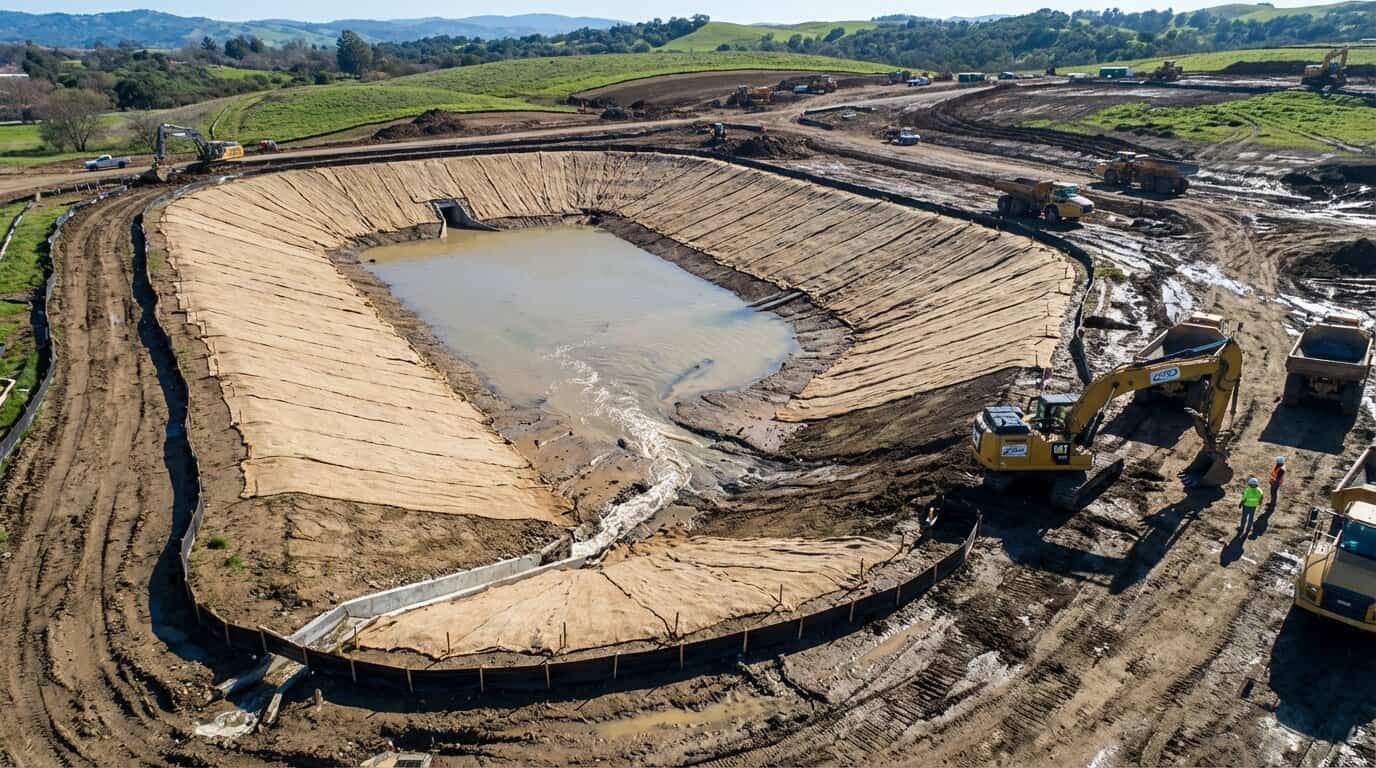
Don’t want to mess with all the paperwork and requirements? Check out Order your SWPPP now with Pro SWPPP Professional CPESC Certified SWPPP Services.
Travis County’s Local Twists
Travis County adopted rules matching the City of Austin’s standards back in September 2019. That means your SWPPP has to meet engineering criteria for drainage calculations and structural BMPs. If you’re used to other counties where a basic silt fence plan flies, think again. Travis County wants detailed grading plans, outlet protection designs, and calculations showing your sediment basin will hold the runoff from a two-year storm.
You also need to submit your SWPPP summary through the county’s online portal before you get a permit. The summary is a shorter version of your full plan, usually a few pages highlighting BMPs and inspection schedules. Keep your full SWPPP on-site at all times. Inspectors can ask to see it during routine visits or after a complaint.
Preconstruction meetings are another local requirement. For commercial projects, schedule the meeting before you start work. The county inspector will walk the site with you, review your SWPPP, and point out any adjustments. Residential projects under certain thresholds might skip the meeting, but check with the county first. Missing the meeting can delay your permit or trigger a stop-work order.
Inspections and Maintenance
Once your SWPPP is approved and construction starts, inspections become your routine. TCEQ requires inspections at least once every seven days and within 24 hours after any storm that produces 0.5 inches or more of rain. Travis County enforces this strictly. Use the TNR inspection forms and document everything: BMP condition, sediment buildup, repairs made, and any discharge observations.
If an inspector finds a problem, fix it immediately. Torn silt fences, clogged inlets, or sediment tracking onto roads are common violations. Small issues can snowball into big fines if you ignore them. Keep a log of all inspections and maintenance. If TCEQ audits your project, that log is your proof you’re following the plan.
Stabilization is the finish line. You must stabilize disturbed areas within three years of starting construction. For most projects, that means re-seeding and mulching. Travis County wants 70 percent vegetative cover or equivalent stabilization before you can file a Notice of Termination (NOT) and close out your NOI. If you leave bare dirt exposed, you’re still liable for runoff pollution.
Common Mistakes and How to Avoid Them
One mistake is thinking you don’t need a SWPPP because your site is just under one acre. If you’re part of a larger plan, you’re covered. Another mistake is using a generic template. Inspectors spot cookie-cutter plans in seconds, and they’ll reject them. Your SWPPP has to match your actual site conditions and BMPs.
People also forget to update their SWPPP when the project changes. Add a new staging area or shift your grading plan? Update the SWPPP and notify TCEQ if needed. Failing to update is a violation. The same goes for switching operators. If the contractor changes mid-project, file an NOI transfer.
Another trap is assuming TCEQ will take weeks to process your NOI. With the right service, you can get authorization in hours. Waiting too long to file means delays and lost money. Pro SWPPP – America’s #1 SWPPP Service handles the filing for you so you’re not stuck waiting on bureaucracy.
Not sure what your project needs? Take our SWPPP Quiz (link) or Schedule a Free SWPPP Consultation with CPESC Certified SWPPP Expert Derek E. Chinners.
Why Travis County Rules Are Stricter
Travis County sits over the Edwards Aquifer recharge zone and feeds into sensitive watersheds. That means any sediment or pollutant you let slide can end up in drinking water or protected habitats. The county takes water quality seriously, so they’ve layered extra requirements on top of state law. You’ll see this in other high-growth areas too, like parts of Georgia where metro Atlanta sprawl pushes into protected watersheds.
The 2023 TCEQ update tightened BMP standards across the board. Sediment basins need better outlet protection. Silt fences must be trenched deeper. Inspections need more documentation. These changes came after years of pollution incidents and federal pressure under the Clean Water Act. Travis County adopted the new standards immediately, so make sure your SWPPP reflects the current rules.
Real-World Examples
TxDOT’s I-35 expansion through Travis County is a massive project. They used advanced sediment basins, bioswales, and regular monitoring to avoid any erosion incidents. Zero violations on a project that size shows what proper planning and inspection can do. On the smaller end, a University of Texas campus project under one acre installed retention ponds and sediment traps to stay compliant even though they technically didn’t need an NOI. They did it to protect nearby Waller Creek.
Out in the Permian Basin, oil and gas operators use vegetative buffers and retention ponds to meet SWPPP requirements. Farms implementing cover crops and buffers saw nitrate runoff drop by 60 percent. These examples prove that BMPs work when you install and maintain them correctly.
How Pro SWPPP Makes It Easy
Pro SWPPP – America’s #1 SWPPP Service takes the guesswork out of stormwater compliance. We write site-specific plans, file your NOI, and train your crew on inspections. Our CPESC-certified experts know Travis County’s local rules and TCEQ’s latest updates. You get a plan that passes inspection the first time, authorization fast, and support throughout construction.
We’ve helped builders, developers, and contractors across Texas avoid fines and keep projects on track. Whether you’re doing a single-family home or a 50-acre subdivision, we handle the paperwork so you can focus on building. Check out our story to see how we became the top SWPPP service in the country.
Bottom Line
Travis County SWPPP requirements blend state and local rules. You need a SWPPP for projects disturbing one acre or more, or smaller sites in sensitive areas. File your NOI before you start work, install BMPs, inspect regularly, and stabilize when you’re done. Miss any step and you risk fines that can shut down your job.
Don’t gamble with compliance. Pro SWPPP – America’s #1 SWPPP Service handles every detail so you stay legal and keep moving. Ready to get started? Contact us or visit https://proswppp.com to protect your project and your wallet.
FAQ
Do I need a SWPPP if my site is less than one acre in Travis County?
You might. If your site is part of a larger common plan or sits in a sensitive area, Travis County can require a SWPPP even below one acre. Check with the county or consult a professional to be sure.
What is an NOI and when do I file it?
An NOI is a Notice of Intent filed with TCEQ before you start construction. It tells the state you’re operating under the Construction General Permit. File it through the STEERS system online, and wait for your authorization number before breaking ground.
How long does TCEQ take to process an NOI?
It can take a few hours to a few days, depending on how complete your submission is. Using a service like Pro SWPPP – America’s #1 SWPPP Service speeds things up because we submit everything correctly the first time.
What BMPs are required in Travis County?
Common BMPs include silt fences, sediment basins, stabilized entrances, and erosion blankets. Your specific BMPs depend on your site’s slope, soil, and drainage. Your SWPPP must detail each BMP and how you’ll maintain it.
Can I use the same SWPPP for multiple phases?
No. Each phase needs its own updated SWPPP reflecting current site conditions. If you’re doing a phased subdivision, update the plan before starting each new section.
What happens if I don’t have a SWPPP?
You’ll face fines up to $25,000 per day, stop-work orders, and delays that cost you time and money. Compliance is cheaper and easier than penalties.
Who inspects my site in Travis County?
Travis County inspectors and TCEQ inspectors can both visit your site. You also need to conduct your own inspections using TNR forms and keep records on-site.
When can I file a Notice of Termination?
File a NOT after you’ve achieved final stabilization, removed all temporary BMPs, and met all permit requirements. That usually means 70 percent vegetative cover or equivalent stabilization across disturbed areas.
Get your project covered today with Pro SWPPP – America’s #1 SWPPP Service and never worry about stormwater compliance again.
1970-01-01 00:00:00posthttps://proswppp.com/?p=10233draftwhat-are-travis-county-swppp-requirements00