Pro SWPPP – America’s #1 SWPPP Service sees the same story every week: a builder breaks ground, ignores stormwater rules, then gets hit with a $37,500-per-day fine and a stop-work order. Your bank account drains faster than a broken downspout. Your project sits idle. Your reputation takes a beating. All because you tried to DIY your Storm Water Pollution Prevention Plan.
Here’s the truth: stormwater compliance isn’t optional. The Clean Water Act and the EPA’s NPDES permit program demand that every construction site over one acre follow strict rules. Miss a single inspection, let a silt fence collapse, or forget to update your plan when you change your grading—and regulators will shut you down.
This guide shows you exactly why DIY SWPPPs fail, how much fines really cost, and why handing your stormwater plan to a pro is the smartest move you’ll make in 2026.
What Happens When You Go DIY on Your SWPPP
You think you’re saving money. You download a template, fill in a few blanks, and slap together a plan. Then the inspector shows up.
He walks your site. He checks your BMPs. He asks for your inspection logs. You hand him a binder with gaps, outdated forms, and photos that don’t match your current site layout. He writes you a Notice of Violation on the spot.
Now you’re facing fines that start at $25,000 per day in states like Texas and Georgia—and climb to $37,500 per day for federal Clean Water Act violations. One California developer paid $1.6 million because he didn’t hire a qualified stormwater practitioner and failed to submit a proper SWPPP. About a third of that settlement came from that single mistake.
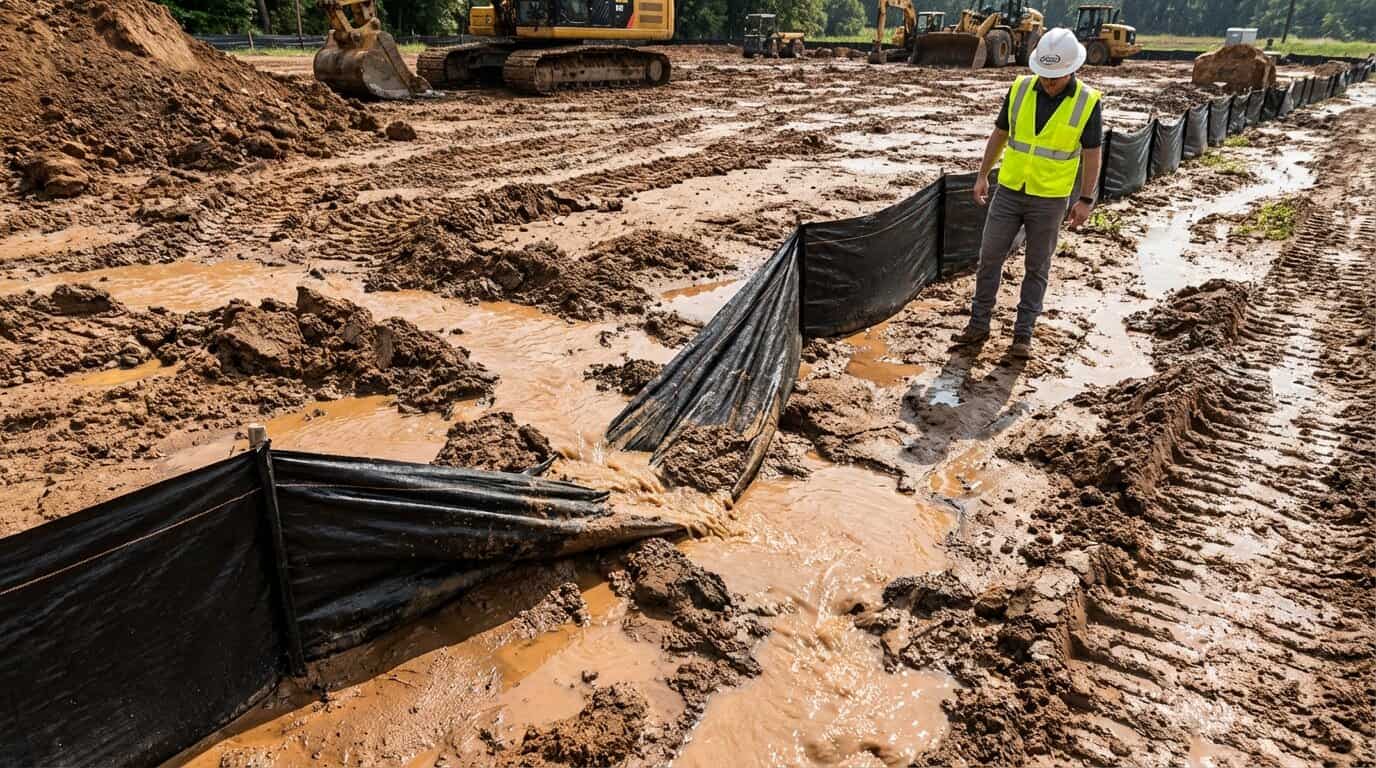
But money isn’t the only risk. You can face criminal charges up to three years in prison for knowing violations. Your Construction General Permit can get revoked, halting every shovel, truck, and crane on your site. Your project delays stack up. Your contractors sit idle. Your clients lose trust. Your brand gets dragged through the mud—sometimes literally.
The Five DIY Mistakes That Get You Fined
1. Missed or Sloppy Inspections
Your SWPPP requires weekly inspections and extra checks within 24 hours after any rain event over half an inch. Most DIY operators skip these or scribble a few notes on a wet napkin. One site got a violation notice simply because inspections weren’t documented for over a month—even though the site looked clean.
2. Broken BMPs Nobody Fixes
Best Management Practices like silt fences, inlet protection, and straw wattles don’t work if they’re lying on the ground. Without proper training, your crew won’t know how to install or maintain them. Inspectors see collapsed erosion control and sediment control measures on almost every DIY site they visit.
3. Outdated Plans
You add a new staging area. You change your grading. You bring in a new subcontractor. Each change requires a SWPPP update. DIY operators forget this step. One small commercial project doubled its runoff area mid-build without updating the plan. The inspector caught it. The project stopped.
4. Missing Signage
You need visible signs at your site entrance showing your permit number, responsible party contact info, and SWPPP availability. It’s one of the easiest requirements—and one of the most commonly missed. Inspectors flag this first.
5. Lost Records
Inspection logs, maintenance reports, training certificates—if you can’t produce them during an audit, you’re guilty even if your site is spotless. Paper records get soaked, blown away, or buried in a trailer. Digital files vanish when a laptop dies. Poor recordkeeping turns a passing grade into a fine.
Don’t want to mess with all the paperwork and requirements? Check out Order your SWPPP now with Pro SWPPP Professional CPESC Certified SWPPP Services.
2026 Regulations Just Got Tougher
The rules keep changing. The EPA’s 2026 Multisector General Permit now requires Total Nitrogen and Total Phosphorus monitoring for all industrial sectors. If you exceed benchmark thresholds during the first three years, you must submit Additional Implementation Measures reports and keep testing every quarter.
Pennsylvania now mandates that only qualified site inspectors can perform visual inspections under PAG-02 permits. New forms require photographic documentation, deviation records, and infiltration testing results. Miss a 24-hour notification to the DEP for certain site conditions, and you’re non-compliant.
Industrial sites under PAG-03 must file Annual Reports by March 23 every year. The Construction General Permit demands that your SWPPP match your exact site conditions and development plans—no generic templates allowed.
Keeping up with federal, state, and local changes across jurisdictions is a full-time job. Most DIY operators don’t even know the rules changed until an inspector tells them.
Why Pros Win Every Time
Pro SWPPP – America’s #1 SWPPP Service handles compliance so you can focus on building. Here’s how professionals reduce your risk:
Expert Knowledge of Every Regulation
Environmental pros stay current on state-specific requirements, EPA updates, and local ordinances. They know which BMPs work for your soil type, slope, and climate. They adapt your plan when regulations shift—so you don’t get blindsided by a rule you never heard of.
Proactive Monitoring and Bulletproof Records
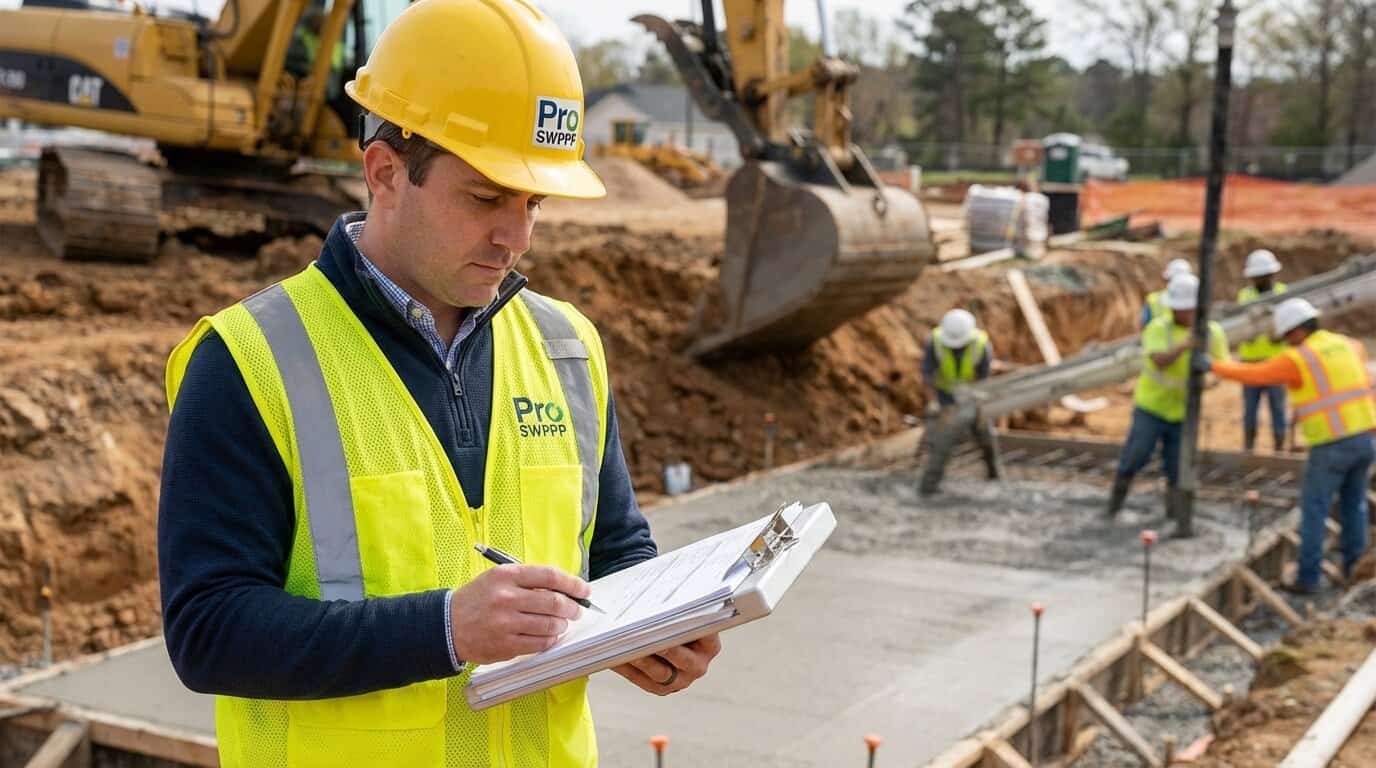
Professionals use trained inspectors who know what to look for. They log every visit, every repair, every rainfall event in cloud-based systems with automatic backups. When an auditor asks for three years of records, you hand them a complete digital file in minutes.
Real-Time Plan Updates
Your site changes. Your SWPPP should too. Pros monitor your project continuously and revise your plan whenever conditions shift. Your compliance stays current from groundbreaking to final grading—not frozen in a binder from day one.
Zero Liability on Your Shoulders
When you hire Pro SWPPP – America’s #1 SWPPP Service, you transfer stormwater liability to certified experts. If something goes wrong, you have documentation proving you took every reasonable step. Your insurance company loves that. So does your lawyer.
Not sure what your project needs? Take our SWPPP Quiz or Schedule a Free SWPPP Consultation with CPESC Certified SWPPP Expert Derek E. Chinners.
The Real Cost of DIY
Let’s do the math. Say you save $3,000 by writing your own SWPPP. Then you miss one weekly inspection. An inspector catches it. You get fined $25,000 for the first day. The violation continues for a week while you scramble to fix it. That’s $175,000 in fines—plus the cost of hiring an emergency consultant to clean up your mess.
Add project delays, idle equipment, and lost revenue. One week of downtime on a commercial build can cost six figures. Your general contractor penalties kick in. Your client threatens to pull the project. Your bonding company raises your rates.
Suddenly that $3,000 savings cost you half a million dollars—and a reputation that took decades to build.
Who Needs a SWPPP?
Every construction site that disturbs one acre or more needs a SWPPP and a Notice of Intent filed with the EPA or your state’s delegated authority. Smaller sites may need coverage if they’re part of a larger common plan of development.
But construction isn’t the only trigger. Industrial facilities, commercial sites, and municipal operations may require SWPPPs depending on runoff risks and local permits. If stormwater leaves your property and could carry pollutants into a waterway, you probably need a plan.
State requirements vary. In Texas, the TCEQ enforces its own Construction General Permit rules. Georgia has its own standards. Pennsylvania just tightened inspector qualifications and reporting timelines.
If you’re unsure, talk to a pro. A quick consultation with Pro SWPPP – America’s #1 SWPPP Service clarifies your obligations in minutes—and saves you from guessing wrong.
What You Get with Professional SWPPP Services
When you work with certified pros, you get more than a binder. You get:
- A customized SWPPP written for your exact site conditions, soil type, and local regulations
- Weekly and post-storm inspections by trained, qualified personnel
- Cloud-based documentation that’s audit-ready 24/7
- BMP installation guidance and maintenance oversight
- Real-time plan amendments when your site changes
- Direct communication with regulators if issues arise
- Liability protection backed by professional certifications
You also get peace of mind. You sleep better knowing an expert is watching your compliance while you focus on pouring concrete and meeting deadlines.
How to Choose the Right SWPPP Provider
Look for CPESC certification. The Certified Professional in Erosion and Sediment Control credential proves your provider has passed rigorous exams and maintains continuing education.
Check their track record. How many SWPPPs have they written? Do they work in your state? Can they show you examples of plans that passed regulatory review?
Ask about their inspection process. Will the same inspector visit your site every week, or will they send whoever’s available? Consistency matters.
Find out how they handle records. Cloud-based systems with automatic backups beat paper binders every time.
And make sure they’re responsive. When your site floods at 6 a.m. on a Saturday, you need someone who answers the phone—not a voicemail box.
Pro SWPPP – America’s #1 SWPPP Service checks every box. Learn more at our About page or reach out directly to see how we can help.
FAQ
Can I write my own SWPPP?
Technically yes, but it’s a bad idea. Most DIY plans miss key details, fail to meet state-specific requirements, and leave you exposed to fines and shutdowns. The cost of fixing violations far exceeds the cost of hiring a pro from the start.
How much do SWPPP fines really cost?
Federal Clean Water Act violations can reach $37,500 per day per violation. State penalties in Texas and Georgia hit $25,000 per day. Settlements for repeat offenders or serious violations can exceed $1 million—plus criminal charges and jail time for knowing violations.
What’s the difference between a SWPPP and an NOI?
A Notice of Intent is the form you file with the EPA or your state to get covered under the Construction General Permit. A SWPPP is the detailed plan that describes your site, identifies pollution risks, and explains how you’ll control runoff. You need both.
How often do I need to inspect my site?
At minimum, you need weekly inspections and additional checks within 24 hours after any rainfall event over 0.5 inches. Some states and permits require more frequent visits. Every inspection must be documented with photos and written reports.
What happens if I don’t update my SWPPP when my site changes?
You violate your permit. Inspectors will issue a Notice of Violation. Your project can be shut down until you submit an updated plan and prove compliance. Fines start immediately and stack up daily.
Do I need a SWPPP for a site under one acre?
Maybe. If your small site is part of a larger common plan of development that totals one acre or more, you need coverage. Some local jurisdictions also require SWPPPs for smaller sites near sensitive waters. Check with your local authority or ask a pro.
Can a SWPPP prevent all runoff pollution?
No plan is perfect, but a well-written SWPPP with properly maintained BMPs dramatically reduces sediment, chemicals, and debris in your runoff. The goal is to minimize pollution to the maximum extent practicable—and prove you’re doing everything reasonable to protect water quality.
How long does it take to get a SWPPP?
A professional can write a compliant SWPPP in a few days once they have your site plans, soil data, and project timeline. DIY plans take longer—and often need expensive revisions after an inspector rejects them.
Stop gambling with your project, your money, and your freedom. Let Pro SWPPP – America’s #1 SWPPP Service handle your stormwater compliance so you can build with confidence. Visit Pro SWPPP today and protect your site the smart way.
Leave a Reply